

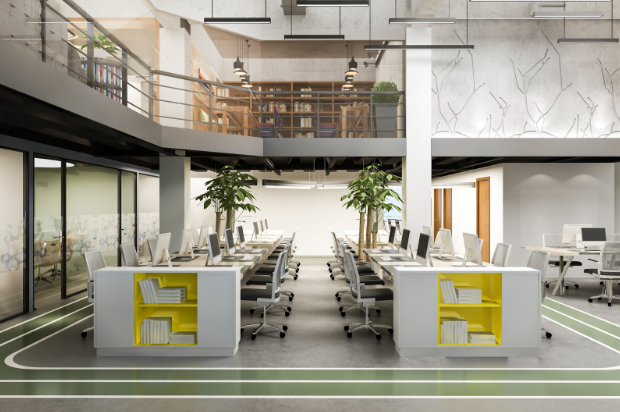
High-traffic commercial spaces such as offices, malls, hospitals, hotels, and retail stores face constant wear and tear. The facility experiences between 100 and 1,000 visitors each day who pass through its entrances.
The floors sustain damage, the walls lose their original appearance, and the building fails to remain clean without proper maintenance. Maintaining a property through efficient methods improves its visual appeal. Also, meets safety and hygiene standards and provides financial benefits over time.
The following tips offer practical solutions for maintaining commercial properties that experience heavy usage:
1. Focus on Regular Inspections
Regular inspections help detect minor problems that can develop into major financial issues. Inspect the flooring for crack patterns, the carpeted areas for stain marks and the walls for any forms of destruction. The most frequently used spaces in the building include restrooms, entrances, and elevators. Conducting regular inspections enables property managers to create maintenance schedules and prevent unplanned financial costs.
2. Commercial Building Cleaning
Commercial building cleaning is the primary method for operating high-traffic facilities because it supports property management activities. Establishing daily cleaning procedures helps maintain hygienic conditions and minimize the spread of germs. It also creates a favourable environment for all building occupants. The presence of dusty surfaces, dirty floors, and unpleasant odors has negative effects on a company’s reputation.
A professional cleaning service includes floor maintenance and carpet restoration, window washing, restroom cleaning, and waste disposal. Selecting appropriate cleaning products for specific surface types helps maintain surface integrity while preventing product loss. The presence of clean spaces creates attractive environments which promote both the health and productivity of staff members.
3. Emergency Water Damage Cleanup
Water damage can occur at any time due to burst pipes, roof leaks, flooding, or plumbing system failures. The team must perform emergency water damage cleanup without delay to protect building structures and prevent mold. An emergency situation requires an immediate response, as delayed action can lead to health hazards and costly repairs for building damage.
The organization needs to establish an emergency response plan to improve efficiency. This plan should include an emergency contact list, procedures for immediate water shutoffs, and guidance on using professional restoration services. The cleanup process needs to be performed right away to prevent permanent damage to building components, including floors, walls, electrical systems, and furniture.
4. Use Durable Materials for Long-Term Savings
The construction of high-traffic areas requires materials that are both strong and durable. Selecting commercial-grade flooring, stain-resistant carpets, and washable wall paint is the optimal choice for this project. These materials can withstand intensive use while their maintenance remains uncomplicated. The initial cost of durable materials reduces the need for frequent repairs and replacements in the long run.
5. Maintain Entryways and High-Use Zones
The main areas of foot traffic which need to be monitored include entryways, hallways, staircases, and elevators. Installing floor mats at entrances helps prevent dirt and moisture from entering the building. The staff needs to perform regular cleaning and polishing of these areas to stop slips and maintain a clean appearance. Maintaining high-traffic areas creates safer environments that make a lasting positive impression on visitors.