

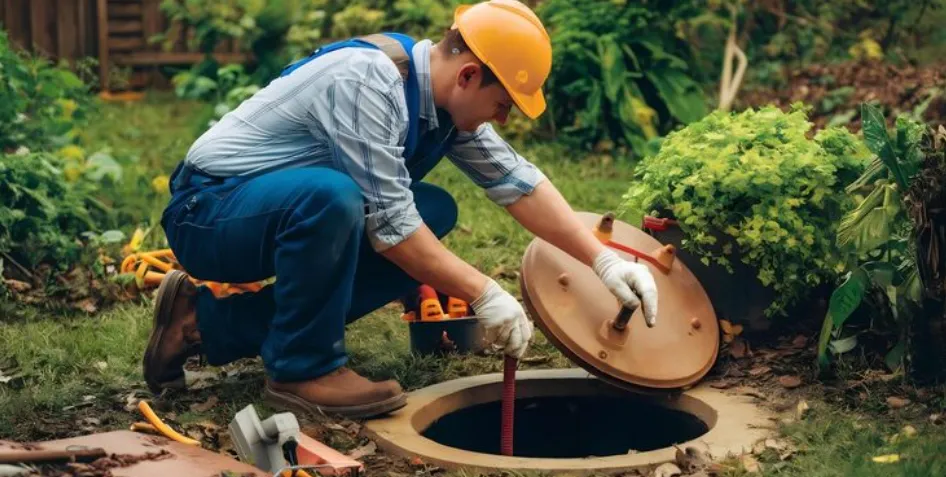
A septic system plays an important role in managing wastewater for many homes and properties. When it is properly cared for, it can work efficiently and reliably for many years. However, neglecting regular care can lead to unpleasant odors, slow drains, backups, and expensive repairs. This is why septic system maintenance is important for keeping your system in good working condition throughout the year. Regular attention helps prevent problems, improve performance, and protect your property from wastewater-related issues.
Prevents Major Septic System Problems
One of the main benefits of septic system maintenance is that it helps identify small problems before they become serious. A professional can inspect the tank, pipes, drain field, and other components to look for signs of damage or poor performance. Early detection can help prevent major issues such as sewage backups, clogged pipes, or drain field failure.
Small problems are usually easier and less expensive to fix than large system failures. Regular maintenance gives homeowners a better chance of avoiding sudden emergencies and keeping their septic system operating properly.
Supports Proper Wastewater Treatment
A septic system needs to process wastewater efficiently before it enters the drain field. Over time, solid waste and sludge can build up inside the tank. If the tank becomes too full, wastewater may not be treated properly, which can affect the entire system.
Regular septic system maintenance may include professional inspections and pumping when needed. These services help keep the tank at a healthy level and allow the system to continue handling household wastewater effectively. Proper maintenance also supports better wastewater treatment and reduces stress on the system.
Protects the Drain Field
The drain field is an important part of a septic system because it helps distribute treated wastewater into the soil. If the drain field becomes overloaded or damaged, the system may stop working correctly. Standing water, unpleasant smells, or unusually wet areas near the drain field can be warning signs of a problem.
Through proper septic system maintenance, homeowners can learn how to protect this important area. Avoiding heavy vehicles, excessive water use, and improper waste disposal can help reduce unnecessary pressure on the drain field and support long-term system performance.
Helps the System Handle Seasonal Changes
Septic systems can experience different challenges throughout the year. Heavy rainfall can increase the amount of water entering the soil, while freezing temperatures may affect exposed pipes and components. During warmer months, increased water usage can also place additional pressure on the system.
Regular septic system maintenance helps prepare the system for changing weather and seasonal demands. Routine inspections can help identify potential weaknesses and allow homeowners to address them before they become larger concerns.
Saves Money Over Time
Although maintenance requires some regular investment, it can help homeowners save money in the long run. Major septic repairs or complete system replacements can be costly. Regular care helps extend the life of the system and reduces the chance of unexpected failures.
A well-maintained septic system can provide reliable service for many years. Homeowners can also avoid unnecessary repair expenses by following professional recommendations and addressing concerns early.
Conclusion
Septic system maintenance is an important part of responsible home care. Regular inspections, proper pumping, careful water use, and protection of the drain field can help keep the system reliable throughout the year. By taking preventive steps instead of waiting for problems to appear, homeowners can protect their property, reduce repair costs, and support the long-term performance of their septic system.