

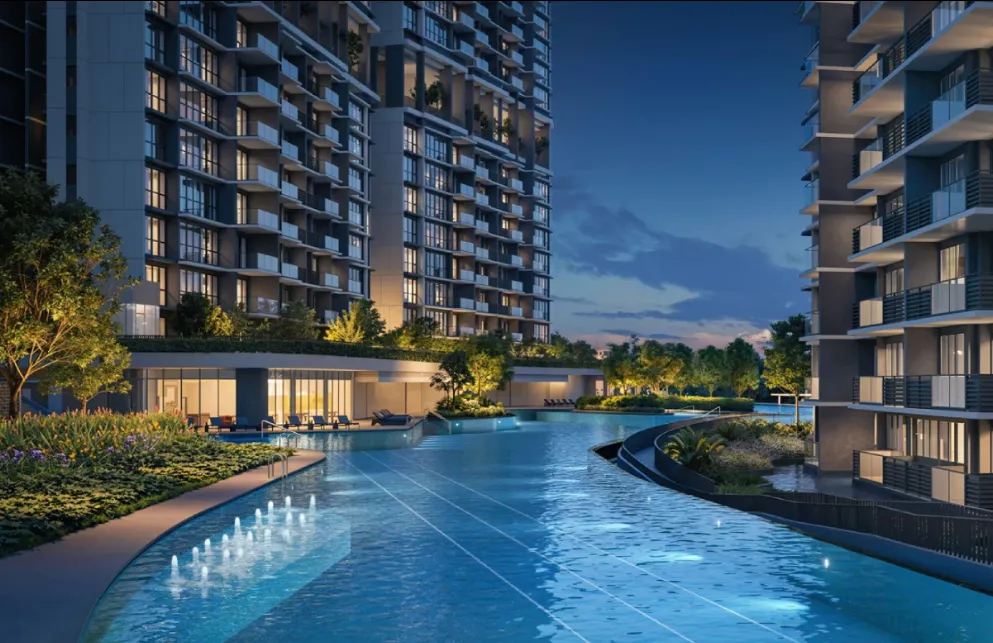
Urban living offers incredible convenience, but the constant hum of traffic and sirens can quickly become exhausting. For many homebuyers, finding a peaceful sanctuary away from the noise is a top priority. Securing a home in a tranquil neighborhood, like the upcoming Thomson Reserve condo, allows you to enjoy the best of both worlds: modern amenities and serene surroundings. However, identifying these quiet havens requires looking beyond glossy brochures and sales pitches. You must analyze specific urban planning factors, green space proximity, and architectural designs that naturally dampen sound. This guide details how to evaluate properties to ensure your next home provides the genuine peace and quiet you deserve.
Evaluating the Surrounding Zoning and Land Use
To find a quiet condominium, start by examining the Master Plan of the surrounding area. Municipal planning maps reveal what will be built around your prospective home in the next five to ten years. Look for properties bordered by residential zones, parks, or water bodies rather than commercial hubs or industrial estates. Commercial zones often bring late-night foot traffic, delivery trucks, and high-decibel retail operations that disrupt your evenings.
Analyzing Future Developments
Pay close attention to vacant land plots nearby. A quiet street today can transform into a noisy construction zone tomorrow. For instance, areas near Lentor Garden benefit from careful planning where residential plots blend with designated green corridors to minimize noise pollution. Choosing a home next to permanent green reserves ensures that your peaceful view and quiet atmosphere remain intact.
Road Infrastructure and Traffic Flow
Additionally, evaluate the hierarchy of roads surrounding the development. Avoid properties situated directly on major arterial roads or expressway exits. Instead, seek out condos located on cul-de-sacs or minor feeder roads. These streets only service local residents, which drastically reduces transit traffic and the associated engine noise. A buffer zone of low-rise landed housing between your condo and the main road also acts as a natural sound barrier.
Assessing Natural Buffers and Green Spaces
Nature does more than beautify a neighborhood; it serves as an excellent acoustic insulator. Thick vegetation, mature trees, and rolling topography absorb and scatter sound waves, preventing them from reaching your living room. When scouting for a quiet home, prioritize developments that sit adjacent to nature reserves, public parks, or botanical gardens.
The Power of Dense Foliage
A thin strip of grass is not enough to block urban noise. Look for deep setbacks where the developer has preserved existing trees or planted dense, multi-layered landscaping. The forest-like surroundings of the Thomson Reserve condo demonstrate how natural buffers shield residents from the bustle of nearby districts. The combination of leafy canopies and soft ground cover dampens ambient city sounds far better than concrete walls.
Water Features as Sound Masking
Water bodies also play a vital role in acoustic comfort. While large lakes reflect some sound, flowing water features within a condo complex—such as waterfalls, fountains, and eco-ponds—create white noise. This gentle, consistent sound masks external traffic noises and chatter from common areas. When visiting a showflat or actual site, listen to the ambient sounds and observe how the developer uses landscaping to create a private, quiet microclimate.
Examining Building Layout and Architectural Design
A quiet living experience depends heavily on the architectural design and layout of the condominium itself. Well-designed developments use the buildings themselves as shields against external noise sources. For example, towers can be strategically positioned to block wind-borne highway noise from reaching inner courtyards and residential units.
Single-Loading vs. Double-Loading Corridors
The internal layout of the building affects daily peace. Double-loading corridors, where apartment doors face each other directly across a hallway, tend to trap and echo footsteps and voices. Single-loading corridors, which open to the outdoors on one side, allow sound to escape and offer superior privacy. Modern developments in peaceful enclaves like Lentor Garden utilize clever spatial planning to ensure that bedrooms face away from common corridors and elevators.
Unit Orientation and Setbacks
Always check the distance between the building facade and the property boundary. A generous setback of thirty meters or more significantly reduces the impact of street-level noise. Furthermore, select units that face inward toward the internal pools or landscaped gardens rather than outward toward perimeter roads. Units facing north or south often escape the direct path of prevailing winds, which can carry distant highway noise directly into your home.
Inspecting Construction Materials and Soundproofing
Even in a quiet neighborhood, poor internal soundproofing can ruin your peace. High-quality construction materials make a massive difference in preventing noise transmission between neighboring units and from the outside environment. When reviewing technical specifications, ask about the concrete thickness and the types of glass used for the windows.
Acoustic Glazing and Double Windows
Standard single-pane glass offers very little resistance to sound. Premium developments, including the Thomson Reserve condo, install thick laminated or double-glazed windows. These windows feature a vacuum or inert gas layer between two panes of glass, which dampens sound vibrations. Additionally, heavy-duty window frames with high-quality rubber seals prevent air gaps that allow noise to leak into your home.
Wall Construction and Floor Screed
Drywall partitions between bedrooms often transfer sound easily. Look for developments that use solid brickwork or thick precast concrete walls between adjacent apartments. Furthermore, high-quality floor screeds and acoustic underlays under tiles or vinyl flooring prevent the sound of footsteps from traveling to the unit below. Visiting developments built by reputable developers in areas like Lentor Garden gives you a clear idea of how premium construction materials elevate daily comfort by sealing out unwanted noise.
Conclusion
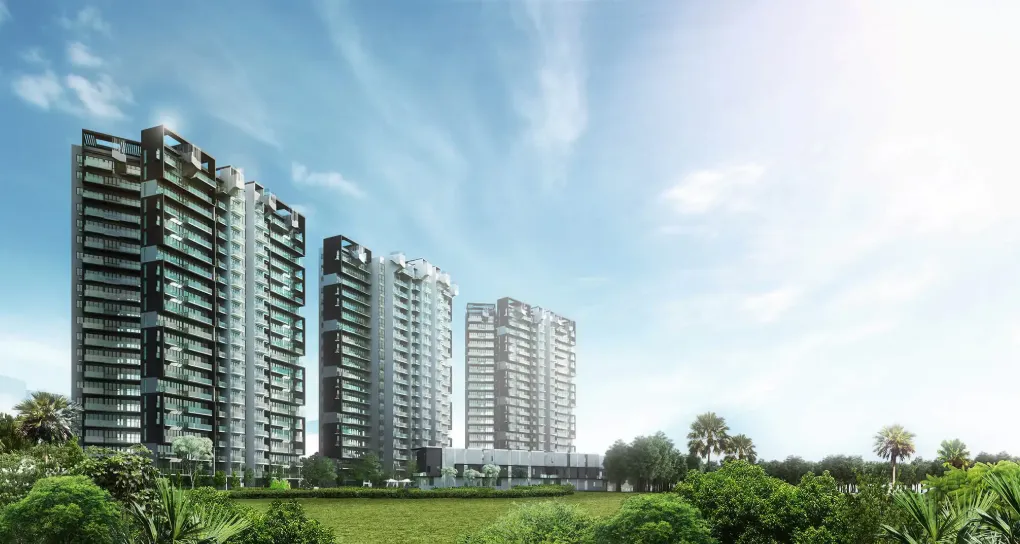
Finding a quiet condominium requires a systematic approach that looks beyond aesthetic appeal. By analyzing local zoning plans, prioritizing natural green buffers, and inspecting architectural layouts, you can identify homes that offer genuine tranquility. Paying close attention to construction details like double-glazed windows and solid wall structures ensures your indoor environment remains peaceful. Whether you choose a nature-aligned development like the Thomson Reserve condo or a master-planned residence near Lentor Garden, investing time in researching acoustic factors pays off in long-term comfort. A quiet home provides a vital sanctuary for rest and recovery, making the search for peace well worth the effort.