

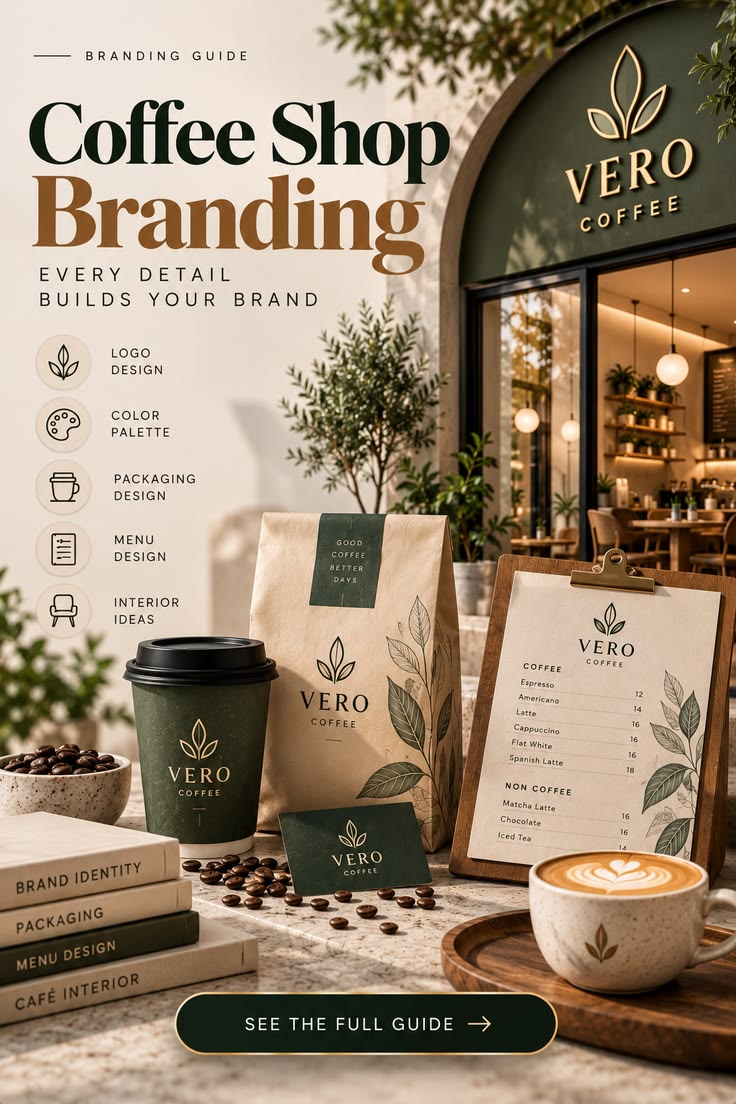
A strong brand identity helps small businesses stand out, build trust, and turn first-time buyers into loyal customers. In a crowded marketplace, consistency across visuals, messaging, and experiences creates recognition that larger competitors often struggle to match at a local or niche level. Research shows that consistent branding can increase revenue by as much as 23 percent, while a deliberate color palette significantly boosts recognition. The good news is that creating a memorable brand does not require a large budget—just clarity, focus, and disciplined application.
Start with Strategy, Not Design
Before choosing colors or designing a logo, define the foundation of your brand. Clarify your purpose: why the business exists, the problem it solves, and the values that guide decisions. Identify your ideal customers in specific terms—who they are, what they value, and what signals trust to them. A personal trainer serving busy executives needs a different identity from one focused on group fitness classes.
Develop a clear value proposition in one sentence that explains what you do, for whom, and the benefit they receive. This statement becomes the filter for every later decision. Understanding what sets you apart from competitors—whether service quality, specialization, community focus, or approach—gives the brand its distinct personality.
Build a Simple Visual Identity System
Translate strategy into recognizable assets. A practical system for small businesses includes a logo suite (primary logo, simplified mark or icon, and variations for different backgrounds and sizes), a limited color palette (typically one primary color, one secondary, and an accent), and no more than two typefaces—one for headings and one for body text.
Keep the logo simple enough to remain clear at thumbnail size and versatile enough for print, web, and social media. Choose colors that align with the desired feeling—modern and minimal, approachable and warm, or bold and energetic—and document exact values for digital and print use. Consistency in these elements across a website, Google Business Profile, social profiles, packaging, and business cards creates an immediate sense of professionalism.
Develop Voice and Messaging
Visuals attract attention; words build connection. Define a brand voice that reflects the personality established earlier—sincere and straightforward, energetic and modern, or calm and expert. Document how the business should sound in website copy, social posts, emails, and in-person conversations so that anyone representing the brand stays consistent.
Craft core messages that answer customer questions: what problem you solve, why it matters, and what makes the experience different. A short brand story that explains origins and purpose helps humanize the business and gives customers language they can repeat when referring others.
Create Usable Brand Guidelines
Even a one- or two-page document prevents drift. Include approved logo files and usage rules (what not to do with the logo is as important as correct applications), color codes, font pairings, and examples of voice. Store the guidelines in a shared location so team members and freelancers can access the latest version. For very small teams, a simple Google Doc or Notion page is sufficient and far better than relying on memory.

Apply the Brand Consistently Across Touchpoints
Recognition grows through repetition. Ensure the same logo, colors, fonts, and tone appear on the website, social media, email signatures, proposals, packaging, signage, and any advertising. Prioritize the materials customers encounter first—Google Business Profile, website homepage, and primary social platform—before expanding to secondary items.
Customer experience is part of the brand. How the phone is answered, how emails are written, and how problems are resolved should align with the promised personality and values. Experiential elements, even for online-only businesses, reinforce identity and create memorable moments that digital alone cannot achieve.
Practical Steps for Limited Budgets
Begin with the essentials that deliver the highest return: a clean professional logo, a defined color and font system, a clear one-liner value proposition, and alignment across existing digital profiles. Free or low-cost design tools can produce usable assets when strategy is already clear. Focus activity on one or two social platforms where the audience is active rather than spreading thin across many. Measure recognition through consistent visual presentation and track whether customers can easily describe what the business stands for.
Test and refine based on real feedback. Observe which messages and visuals resonate, then adjust while protecting the core identity. Incremental improvements maintain recognition better than frequent major changes.
The Long-Term Payoff
A memorable brand identity turns a small business into a recognizable choice rather than a generic option. Consistency builds trust, supports premium pricing where appropriate, increases referrals, and makes marketing more efficient because every touchpoint reinforces the same message. Customers need multiple impressions before they remember a brand; a cohesive system ensures those impressions accumulate rather than cancel one another out.
By starting with clear purpose and audience insight, building a simple visual and verbal system, documenting the rules, and applying them everywhere customers look, any small business can create an identity that feels professional, distinctive, and lasting. The process requires intention more than large spending, and the resulting recognition becomes one of the most valuable assets the business owns.
Read more – gloryhouseworld.com