

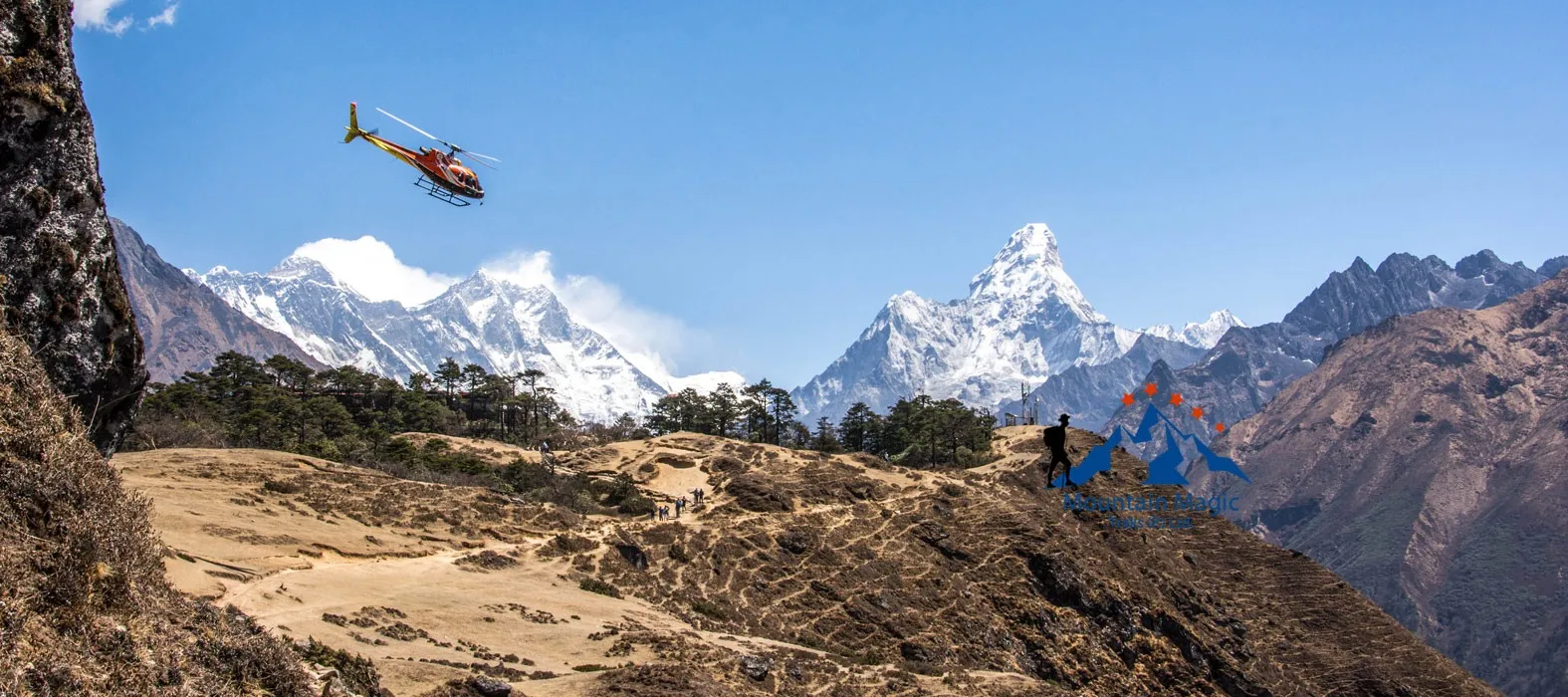
Life in the Khumbu region depends on more than the people who live and work there. Food, fuel, construction materials, medicines, and other daily supplies must reach villages located far from major roads. Moving these goods through steep mountain terrain requires careful planning and a transport system suited to local conditions.
During the Everest Base Camp Trek with Helicopter Return, travelers pass through settlements where goods arrive through a combination of local transport methods. Animals, porters, helicopters, and available road connections all play different roles. This supply network supports homes, shops, restaurants, teahouses, and trekking services across the region.
Why Supplying Remote Mountain Villages Is Difficult
Many Khumbu settlements are not connected by ordinary road networks. Steep hills, narrow paths, rivers, and changing weather make regular transportation difficult.
A delivery that would take a short time in a city may require much more effort in the mountains. Supplies often need to be divided into smaller loads and carried through different sections of the route.
Several factors make transportation challenging:
-
Distance: Some villages are far from major supply centers.
-
Terrain: Rocky paths and steep climbs limit the use of vehicles.
-
Weather: Rain, snow, and strong winds can affect transportation.
-
Weight: Heavy materials require animals, porters, or specialized transport.
-
Cost: Moving goods through remote areas can increase their final price.
These conditions make local supply networks essential for everyday life.
The Role of Yaks in Himalayan Transportation
Yaks are among the animals most closely connected with high-altitude mountain life. They are well adapted to cold environments and have supported local communities for generations.
In suitable areas, yaks help transport goods between settlements and mountain locations. Their ability to carry loads along difficult paths makes them useful where ordinary vehicles cannot operate.
What Types of Goods Can Yaks Carry?
Depending on the route and load, yaks may transport different supplies, including:
-
Food and packaged products.
-
Cooking and heating supplies.
-
Building materials.
-
Household goods.
-
Trekking and mountaineering equipment.
Their use depends on terrain, altitude, animal condition, and the availability of suitable paths.
Why Yaks Are Valuable in Remote Areas
The strength and mountain adaptation of yaks make them useful in places with limited transport options. They can move goods through sections where motor vehicles have no access.
However, they are not suitable for every trail or every type of load. Local handlers must consider the animal’s health, weather conditions, and the difficulty of the route.
Dzopkyos and Their Importance in Local Transport
Dzopkyos are crossbred animals commonly associated with Himalayan mountain transportation. They combine characteristics of yaks and cattle and are used in different ways depending on local conditions.
They are valued for carrying supplies across mountain routes and supporting activities that require reliable animal transport.
How Dzopkyos Support Village Businesses
Mountain businesses need regular deliveries to continue operating. A teahouse, for example, requires food, cooking supplies, bedding, and cleaning products.
Dzopkyos can help move some of these goods between settlements. Their work supports local shops, accommodation providers, and other small businesses.
Animal transportation also creates work for handlers and families who maintain these traditional services.
Human Porters Keep the Supply Network Moving
Porters are another important part of transportation in the Everest region. They carry goods on foot along paths that animals may not be able to use.
Their work supports both local residents and the tourism industry.
Porters may transport:
-
Food supplies for village shops and lodges.
-
Personal luggage and trekking equipment.
-
Building and repair materials.
-
Kitchen and household products.
-
Essential items for mountain operations.
The weight and size of each load must be considered carefully. Safe working conditions, suitable equipment, fair payment, and reasonable load limits are important parts of responsible mountain tourism.
How Shops and Teahouses Manage Their Stock
Mountain businesses cannot always receive supplies whenever they need them. Owners often have to plan purchases according to expected demand, available transport, and storage space.
A teahouse may need enough food for several days because the next delivery could be delayed. Shops also need to manage products that may be difficult or expensive to replace.
Planning Food and Kitchen Supplies
Food management requires attention to quantity, freshness, and storage conditions. Dry goods and packaged products may be easier to store for longer periods than fresh items.
Business owners must balance available space with customer demand. Ordering too little can create shortages, while ordering too much can increase storage problems and waste.
Preparing for Busy Trekking Periods
The number of visitors can change during the year. When trekking activity increases, accommodation providers and shops may need more food, drinks, bedding, and other supplies.
The Everest Base Camp Trek with Helicopter Return passes through villages where tourism businesses depend on these deliveries to serve visitors. Good stock planning helps local businesses manage busy periods without unnecessary disruption.
Helicopters and Their Role in Mountain Supply Operations
Helicopters provide another transportation option in the Everest region. They can carry people and certain supplies to locations where ground transport is difficult or limited.
Their use depends on weather, aircraft capacity, landing conditions, permissions, and operational requirements. They are not a replacement for the everyday network of animals and human carriers.
Helicopter transport may be useful for urgent deliveries or specific logistical needs. However, the cost and operating limits mean that it is not suitable for every routine supply movement.
How Supply Transportation Supports the Local Economy
Moving goods through the Khumbu creates work for many people. Animal owners, handlers, porters, shopkeepers, drivers, accommodation providers, and transport operators all contribute to the supply network.
The money spent on local services can support families and small businesses. Reliable deliveries also help communities maintain access to essential products.
At the same time, transportation requires responsible management. Overloading animals, leaving waste along trails, or placing excessive pressure on natural resources can create problems for the region.
Responsible Travel and Respect for Working Animals
Visitors share mountain paths with animals carrying supplies. Giving them enough space is an important part of safe trekking.
Travelers can follow a few simple practices:
-
Stand on the uphill side when a loaded animal train passes, where the path allows.
-
Follow the instructions of local handlers.
-
Never frighten, hit, or block working animals.
-
Avoid leaving food wrappers or plastic along the trail.
-
Choose trekking companies that support responsible treatment of animals and porters.
These actions help reduce risks for both visitors and the people and animals working in the mountains.
Final Thoughts
The Khumbu region’s supply network is built around local knowledge, human effort, and transportation methods suited to difficult terrain. Yaks and dzopkyos carry goods, porters move supplies along narrow paths, and helicopters provide support for certain transport needs. Together, these systems help remote villages maintain their daily activities.
The Everest Base Camp Trek with Helicopter Return offers a closer look at this important part of mountain life. Beyond the famous peaks and trekking trails, the region depends on a network of people and animals working every day to keep its communities supplied.
Frequently Asked Questions
1. How are goods transported to remote Khumbu villages?
Goods are moved through a combination of porters, pack animals, and helicopters, depending on the location and type of supply.
2. What is the difference between a yak and a dzopkyo?
A yak is a mountain animal adapted to cold conditions, while a dzopkyo is a crossbreed of a yak and cattle.
3. Do yaks carry supplies for teahouses?
Yes. In suitable areas, yaks can carry food, equipment, and other goods needed by local businesses.
4. Are helicopters used for regular village deliveries?
Helicopters may support certain supply operations, but their use depends on cost, weather, aircraft capacity, and operational conditions.
5. How can trekkers behave safely around pack animals?
Travelers should give animals enough space, follow local handler instructions, and avoid standing on the downhill side when an animal train passes.