

Key Takeaways
- Alternative education provides customized learning paths that nurture curiosity and self-direction, ensuring students are engaged and invested in their educational journeys.
- Storytelling and interactive digital tools are both effective in stimulating learner engagement and creativity, making lessons memorable and deeply resonant.
- Holistic education emphasizes not only cognitive development but also emotional well-being, providing children with a foundation for balanced growth.
- Fostering autonomy and supportive environments leads to resilient, adaptable learners who demonstrate persistence in the face of challenges.
In an age defined by rapid technological advances, shifting economic landscapes, and increasing global interconnectedness, the traditional classroom model can sometimes fall short in nurturing each learner’s unique potential and curiosity. The world today demands adaptability, creativity, and ongoing learning, traits that are not always cultivated within conventional educational settings. As parents and educators recognize the importance of preparing young people for an unpredictable future, adaptive, student-centered approaches have gained steady momentum worldwide. For families seeking innovative early education options, a kindergarten school Cambridge, MA offers programs inspired by alternative education methods such as Montessori, Reggio Emilia, and Waldorf, focusing on meeting students’ diverse needs through inquiry, discovery, and human connection. These educational philosophies promote experiences that go beyond rote memorization, encouraging students to become lifelong learners who are comfortable navigating complex information, solving real-world problems, and communicating effectively.
Personalized Learning Experiences
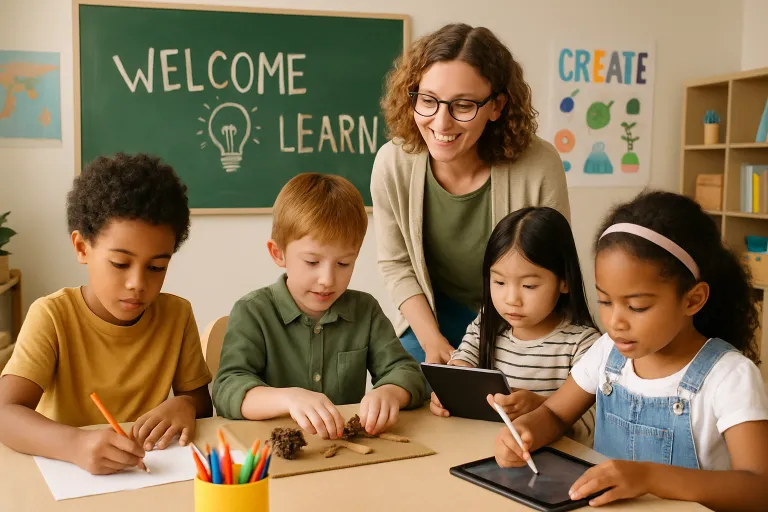
At the heart of alternative education is a strong commitment to personalized learning journeys, rooted in the understanding that every child learns differently. Unlike the conventional one-size-fits-all model, these approaches prioritize each child’s interests, strengths, and learning pace, making education both meaningful and relevant. Students are actively encouraged to take ownership by participating in goal-setting, project selection, and the exploration of diverse subjects that reflect their natural curiosity and strengths. This autonomy not only builds intrinsic motivation but also fosters self-reliance and resilience, as students see the impact of their choices and efforts. Regular collaboration with educators provides constructive feedback, helping children develop empathy and communication skills, important competencies for success in both school and life. In settings like Waldorf or Montessori classrooms, learners are regularly observed and thoughtfully guided rather than strictly directed, resulting in a truly dynamic and student-centered environment where exploration and critical thinking flourish.
Integrating Storytelling and Interactive Digital Tools
Effective educational approaches embrace both time-honored storytelling methods and the wealth of opportunities provided by modern interactive tools. Storytelling has long served as a powerful way to introduce complex topics and foster emotional connections; it brings subjects such as history, science, and social studies to life, linking abstract concepts with memorable, relatable narratives. Through stories, students encounter new perspectives, spark empathy, and learn to see themselves within broader human contexts. Digital storytelling expands these possibilities even further, as learners can now craft their own multimedia presentations, manipulate images and sounds, and share their voices with others across the globe.
Interactive digital resources, including educational apps, gamified lessons, coding platforms, and even virtual reality simulations, immerse learners in exploratory environments that encourage experimentation. These tools are particularly effective for engaging digital-native students who thrive on visual, auditory, and kinesthetic input. Whether it’s using an app to solve math puzzles or exploring history in a virtual museum, technology invites children to interact, investigate, and discover, supporting different learning styles and expanding the classroom far beyond its physical walls. The vast array of online resources also means learners can pursue interests and investigate topics independently, carrying curiosity into their daily lives. As highlighted in an Edutopia article, integrating technology and storytelling not only increases enjoyment but also improves knowledge retention and critical thinking, a win-win for lifelong education.
Holistic Development Through Alternative Education
True learning extends far beyond academic achievement; it encompasses the development of social-emotional skills, self-awareness, adaptability, and resilience. Alternative education approaches are intentionally designed to nurture the whole child, addressing their cognitive, emotional, and social needs. These frameworks often embed daily opportunities for quiet reflection, group collaboration, and varied forms of creative expression, all of which are critical for nurturing empathy and emotional intelligence. Classroom practices may include journaling, mindfulness activities, role playing, and art projects, creating space for students to process their thoughts and feelings while strengthening interpersonal bonds.
Final Thoughts
Embracing alternative education methods is a forward-thinking and impactful strategy for fostering lifelong curiosity and resilience in young people. By intentionally prioritizing personalized learning experiences, creative storytelling, interactive digital technologies, and the development of social-emotional strengths, educators and families empower students to become motivated, adaptable, and compassionate contributors to an ever-evolving global community. In a world where the pace of change is accelerating and tomorrow’s challenges are unpredictable, these education models offer learners the greatest opportunity not just to succeed, but to thrive, discover, and remain curious throughout their lives. The skills and mindset developed through alternative education ensure that the love of learning endures, laying a foundation for fulfillment and meaningful participation in the world.