

Key Takeaways
-
Choose a restaurant or venue that clearly communicates where its ingredients come from.
-
Build the experience around seasonal produce, regional specialties, and a menu that can adapt.
-
Consider your group size, dietary needs, budget, transportation, and preferred pace before booking.
-
Ask specific questions about sourcing, seating, beverages, private dining, deposits, and cancellations.
-
Expect some flexibility, since harvests, weather, and supplier availability can change a menu.
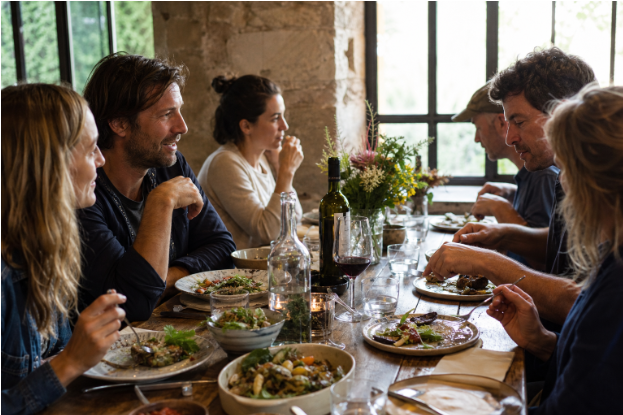
A farm-to-table dinner can turn an ordinary night out into a meal that feels rooted in its surroundings. Whether you are planning a date night, anniversary, family celebration, or relaxed vacation meal, the best experiences begin with a little research. A thoughtful menu, welcoming service, and ingredients at their seasonal peak can make every course feel more memorable.
Start by thinking about the complete experience, not simply the entrée. A restaurant known for seasonal cooking may also offer a beautiful patio, a carefully selected wine list, or a sweet finish worth planning around. For diners looking to end the evening on a high note, options for Italian desserts, Napa, CA can be a natural part of a leisurely, locally focused meal.
What Makes A Farm-To-Table Dinner Worth Planning?
Farm-to-table dining generally emphasizes ingredients purchased directly from growers and producers, through local distributors, or from nearby markets. The idea is not that every grain of salt or every bottle of olive oil must come from the same county. Instead, it is about making a genuine effort to feature local products when they are available and to be transparent about the rest.
This approach can create a stronger sense of place. Spring greens, summer tomatoes, fall squash, local cheeses, regional seafood, and nearby wines can give guests a clearer taste of the area they are visiting. For a broader overview of the term, its history, and common sourcing practices, read about farm-to-table dining.
Transparency matters as much as proximity. Look for menus that name farms, ranches, fisheries, bakeries, or producers. A restaurant does not need to list every supplier to be credible, but clear details show that the kitchen takes sourcing seriously and gives diners useful context.
Start With The Purpose Of The Meal
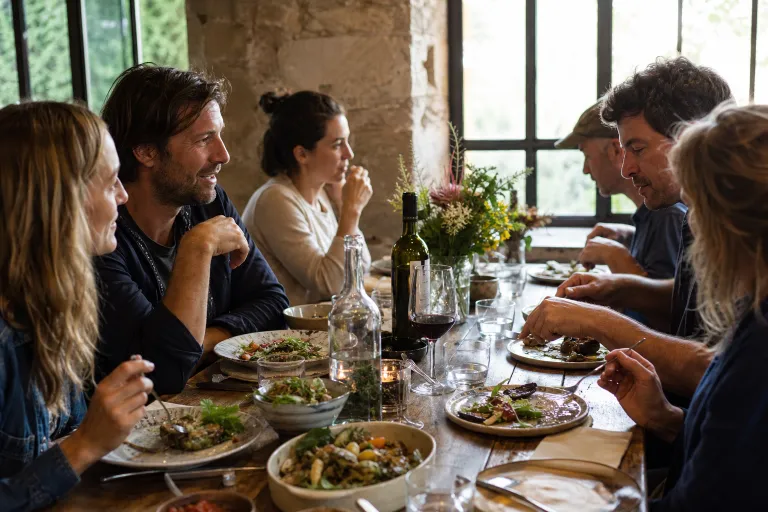
Your reason for dining should guide the reservation. A romantic dinner for two may call for a quieter table, a slower tasting menu, and a later seating. A birthday dinner may be better with shareable plates and room for dessert. A business meal may require a quieter dining room, a predictable service pace, and an easy-to-read menu.
Match The Format To The Occasion
-
Date night: Prioritize atmosphere, comfortable seating, and enough time between courses.
-
Birthday or anniversary: Mention the occasion when booking and ask whether a special dessert can be arranged.
-
Family gathering: Choose a menu with flexible portions, familiar choices, and clear options for children.
-
Business dinner: Consider noise level, parking, table spacing, and the length of the meal.
-
Private event: Ask about group minimums, preset menus, deposits, and weather plans for outdoor spaces.
Check The Restaurant’s Sourcing Details
Terms such as “fresh,” “seasonal,” and “locally inspired” can be meaningful, but they are broad. Before reserving, review the restaurant’s website, current menu, social media updates, and event descriptions. You can also call and ask a few direct questions.
-
Does the menu name local farms, ranches, wineries, fisheries, or other producers?
-
How often does the menu change?
-
Which ingredients are currently sourced nearby?
-
Does the kitchen explain when an ingredient must come from outside the region?
-
Are there signature dishes that highlight the season especially well?
Be realistic about what local sourcing means. Citrus, coffee, chocolate, spices, and certain pantry staples may travel from far away, even at highly conscientious restaurants. Honest sourcing is more valuable than a vague promise that everything is local.
Plan Around The Season
The time of year can shape nearly every part of a farm-to-table meal. Spring often brings peas, asparagus, tender greens, and fresh herbs. Summer favors tomatoes, corn, berries, stone fruit, and grilled vegetables. Autumn menus may feature mushrooms, apples, winter squash, and richer braises, while colder months can highlight roots, citrus, preserved produce, and fermented ingredients.
Ask what is likely to be available during your visit, but avoid treating a menu as guaranteed weeks in advance. Rain, heat, drought, pest pressure, and harvest timing can all affect supply and price. This looks at seasonal sourcing challenges and illustrates how regional conditions can influence restaurant menus. A flexible attitude often leads to the most interesting order.
Choose The Right Dining Style
-
À la carte: Best when guests have different appetites, tastes, or dietary needs.
-
Prix fixe: A convenient choice for a planned, multi-course meal with a clear per-person cost.
-
Tasting menu: Ideal for adventurous diners who want a longer, chef-directed experience.
-
Family style: A relaxed format that encourages sharing and conversation.
-
Outdoor dining: A great fit for pleasant weather, views, and daytime celebrations, provided there is a backup plan.
Ask About Dietary Needs Before Booking
Seasonal restaurants can be especially accommodating, but substitutions are not automatic. Share serious allergies during the reservation process, not after everyone is seated. Ask whether vegetarian, vegan, gluten-free, dairy-free, or child-friendly options are available and whether ingredients such as nuts, shellfish, eggs, or dairy appear across multiple courses.
Build A Practical Budget
The menu price is only one part of the evening’s cost. Include drinks, wine pairings, taxes, service charges, parking, transportation, and gratuity in your estimate. For groups, ask about food and beverage minimums, deposits, cancellation deadlines, and whether the restaurant requires a preset menu. Leave some room for seasonal changes, especially if the restaurant prices market-driven ingredients separately.
Match Drinks To The Meal
Beverages should complement the food without becoming the entire focus. Ask for a regional wine recommendation, choose one versatile bottle for the table, or select a pairing if everyone wants a guided experience. For nonalcoholic guests, look for house-made sodas, shrubs, teas, fresh juices, or zero-proof cocktails that use seasonal fruit and herbs.
Organize The Reservation With Care
-
Choose a date, preferred meal time, and backup time.
-
Confirm the final guest count before booking.
-
Share allergies, mobility needs, and accessibility requests.
-
Ask about seating, parking, outdoor conditions, and transportation.
-
Confirm the menu format, estimated cost, deposit, and cancellation policy.
-
Reconnect with the venue a few days before a special event.
Make The Meal Feel Personal
Small details can add meaning without making dinner feel overplanned. Request a table that supports conversation, note a special occasion in the reservation, and order one unfamiliar seasonal dish to share. Ask the server about the story behind a standout ingredient, then leave enough time for dessert, coffee, or a final drink.
Common Mistakes To Avoid
-
Assuming every menu item is locally sourced.
-
Waiting until arrival to mention an allergy.
-
Booking a large group without confirming seating limits.
-
Choosing a long tasting menu for guests who need a quick meal.
-
Ignoring travel time, parking, or weather for an outdoor reservation.
-
Expecting a fixed menu from a restaurant that cooks with changing ingredients.
Final Planning Checklist
-
Purpose of the meal selected
-
Guest count confirmed
-
Budget reviewed
-
Menu format chosen
-
Dietary needs shared
-
Seasonal expectations understood
-
Transportation arranged
-
Reservation and cancellation details saved
Conclusion
A memorable farm-to-table dinner begins well before the first course arrives. By choosing a restaurant with clear sourcing practices, planning for the season, selecting a format that fits the occasion, and preparing for practical details, you can create a meal that feels personal, relaxed, and genuinely connected to its surroundings.