

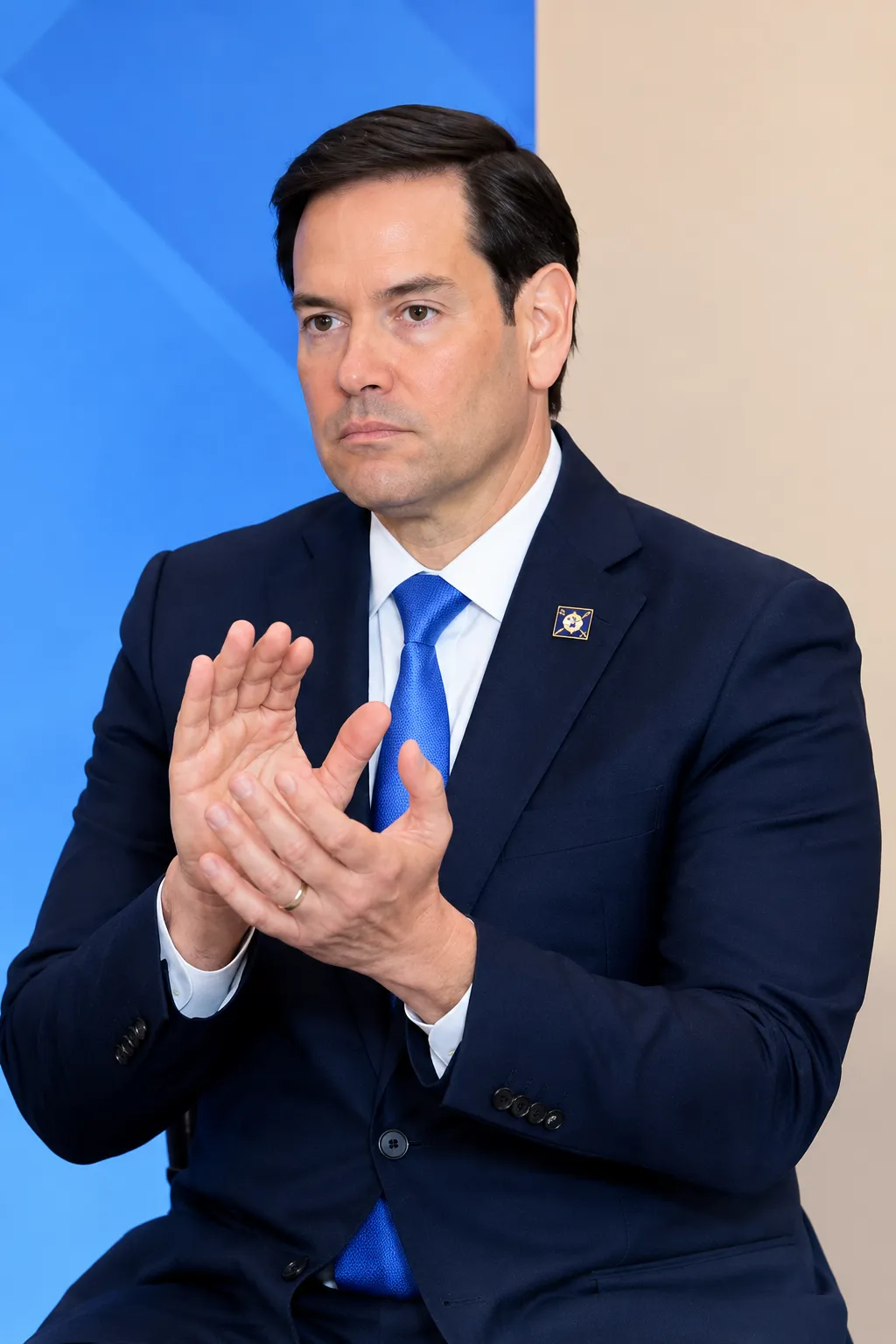
US Secretary of State Marco Rubio is in India for a multi-day visit focused on advancing a bilateral trade agreement, addressing energy cooperation and strengthening economic ties. The trip comes shortly after President Donald Trump waived potential tariffs linked to India’s purchases of Russian crude oil, removing a significant point of friction in ongoing negotiations.
Rubio’s itinerary centres on Mumbai and Jamnagar rather than New Delhi. He is scheduled to meet External Affairs Minister S Jaishankar and hold discussions with business leaders, including a visit to Reliance Industries’ large refining complex and an expected interaction with chairman Mukesh Ambani. Officials on both sides have indicated that a comprehensive trade deal is nearing completion, raising the possibility of tangible progress during the visit.
Trade Negotiations Reach Critical Stage
A central objective of Rubio’s visit is the proposed India-US trade agreement. In remarks made shortly before arriving in India, the Secretary of State stated that Washington is “very close” to finalising the deal. He linked the timing of recent energy-related waivers to the broader effort to conclude the agreement.
The negotiations have covered reciprocal market access, tariffs on goods and other commercial issues. Earlier framework discussions had already produced adjustments in tariff rates on certain Indian exports to the United States. Both sides have described the remaining differences as manageable, with energy policy and strategic partnership considerations factoring into the final stages.
Rubio’s presence in Mumbai, India’s financial centre, underscores the commercial emphasis of the trip. Meetings with business executives and institutional leaders are expected to explore investment opportunities, supply-chain cooperation and expanded bilateral trade.
Russian Oil Purchases and the Tariff Waiver
India’s continued imports of Russian crude have been a sensitive topic in recent months. New Delhi has increased purchases of discounted Russian oil since 2022 while also diversifying sources. US officials have acknowledged that a rapid shift away from Russian supplies is difficult given refinery configurations and global market conditions.
President Trump waived specified tariffs and sanctions provisions under the Lindsey O. Graham Sanctioning Russia and Iran Act. The waiver provides a temporary pause, allowing time to assess the economic impact of potential measures. Rubio has publicly recognised that India has diversified its energy portfolio yet still relies on substantial Russian volumes because abrupt changes are impractical. He described India as an important partner and said the 60-day review period would help determine the appropriate policy balance.
The waiver has eased immediate pressure on trade talks and created space for constructive discussions on energy security during Rubio’s visit.
Key Meetings in Mumbai and Jamnagar
In Mumbai, Rubio is scheduled to hold bilateral talks with External Affairs Minister S Jaishankar. The agenda is expected to cover energy, trade and investment, defence, critical and emerging technologies, and regional developments, including the situation in West Asia. The meeting forms part of the broader India-US Comprehensive Global Strategic Partnership.
Later in the visit, Rubio is due to travel to Jamnagar in Gujarat to tour the Reliance Industries refining and petrochemical complex, one of the world’s largest single-site facilities. The complex processes significant volumes of crude, including Russian grades, and exports refined products to global markets. An interaction with Reliance chairman Mukesh Ambani is anticipated, highlighting the commercial and energy dimensions of the relationship.
Additional engagements in Mumbai include meetings with business leaders and participation in events marking the 250th anniversary of American independence.
Broader Strategic and Economic Context
The visit occurs against the backdrop of efforts to stabilise and expand the India-US partnership amid global economic uncertainty and shifting energy markets. Both countries have emphasised the importance of reliable supply chains, technology cooperation and defence collaboration. Rubio’s earlier stop in Central Asia for C5+1 discussions further frames the trip within a wider regional diplomacy schedule.
For India, the ability to secure affordable energy while advancing a trade agreement with its largest export market remains a priority. For the United States, balancing pressure on Russian energy revenues with the need to maintain strong ties with major partners such as India has shaped recent policy adjustments.
What Success Could Look Like
A successful outcome of the visit would include clearer pathways toward concluding the trade deal, continued understanding on energy imports, and reinforced commercial linkages through high-level business engagement. Even without an immediate signing ceremony, progress on outstanding issues and public signals of alignment would strengthen momentum.
Rubio’s decision to prioritise Mumbai and Jamnagar reflects a focus on practical economic cooperation. The combination of diplomatic talks with Jaishankar and direct engagement with India’s energy and industrial sector underscores the multi-layered nature of the current agenda.
As discussions unfold, the visit offers both sides an opportunity to convert recent policy flexibility into concrete advances in trade, energy and strategic partnership. The coming days will indicate how far the two countries can move toward a more predictable and mutually beneficial economic relationship.
Read more – wishdua.com